I. The Trigger Event — February 14, 2021
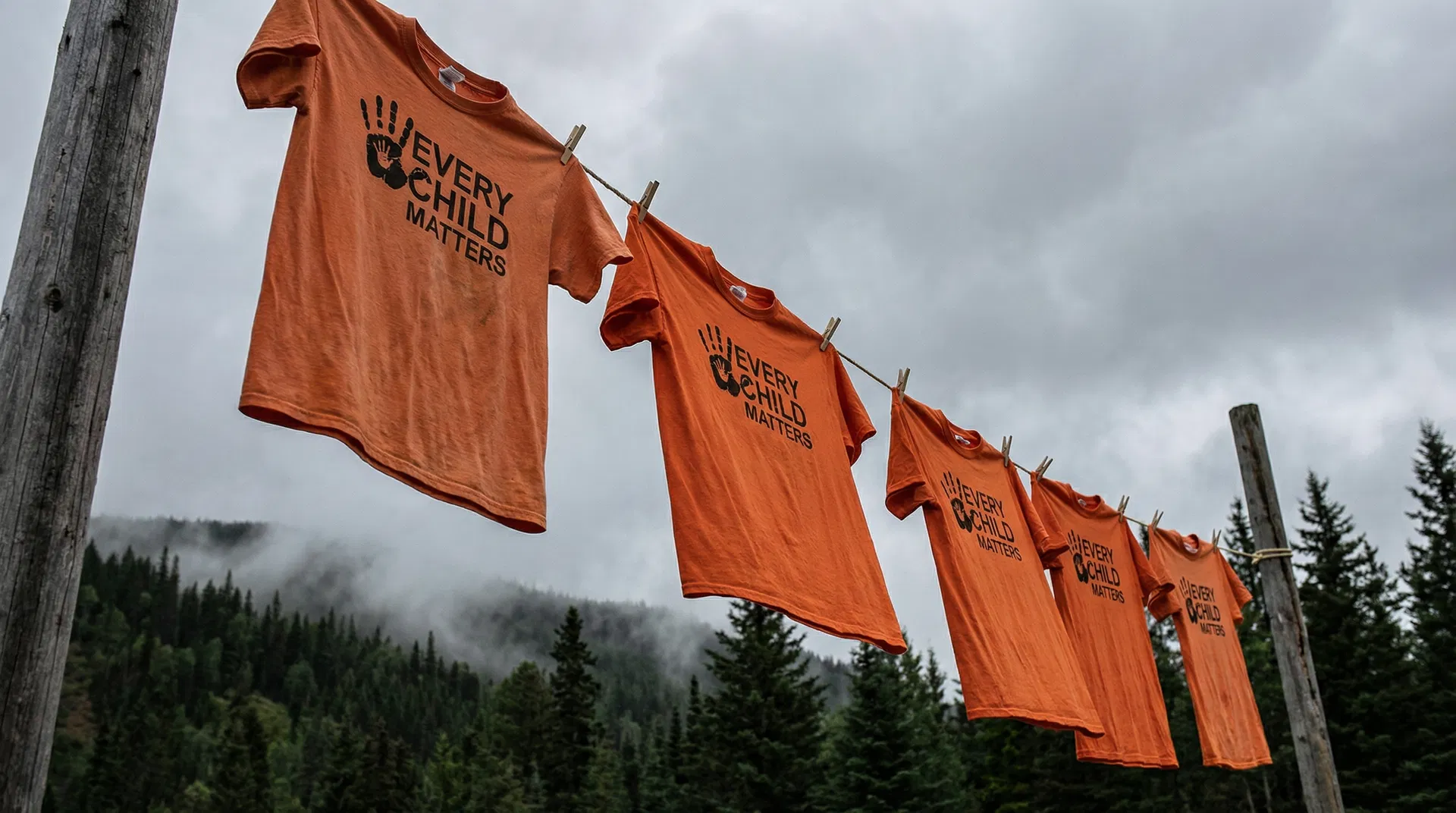
On Valentine's Day 2021, a 14-year-old Indigenous boy named Barran was stabbed three times — in the left lung, chest, and back. His iPhone, tucked in his front pocket, stopped two more stab attempts that could have been fatal. He spent six days hospitalized at Montreal Children's Hospital with a chest tube for three days.
The medical staff held him, comforted him, and saved his life. At 5 feet 10 inches and 300 lbs, already living with disability and Type 2 diabetes — conditions disproportionately common in Indigenous communities — Barran showed incredible resilience.
He has since lost weight and is living better, but the trauma remains. He is most comfortable in darkness — the attack happened in the morning. Yet his first words leaving the hospital were: "I miss my siblings."
Family support sustained him then. Family support sustains him now. Resilience and ongoing struggle, both real.
II. Family Trauma & System Failure
Since approximately 2021, this Indigenous family sought help after serious trauma. The DPJ (Direction de la protection de la jeunesse, also known as DYP) became involved but withdrew in January 2023 — with no adequate follow-up.
Education was lost. Mental health was destroyed. Jordan's Principle — the federal policy guaranteeing no-delay services for First Nations children — was ignored. The very systems designed to protect vulnerable Indigenous youth instead abandoned them.
The mother's abuse and DPJ's failure to intervene created a compounding crisis. Children who should have been protected were left in harmful situations. The institutional response was not just inadequate — it was negligent.
Five years later, the family continues to fight for basic services, accountability, and recognition of the harm done. The bureaucratic indifference they face is not an anomaly — it is a pattern documented across Quebec and Canada.
"This isn't isolated. CDPDJ's 2025 Nunavik systemic inquiry shows chronic failures: under-resourced, culturally inappropriate interventions, harm to Indigenous kids' health and development."
III. Systemic Failures Documented
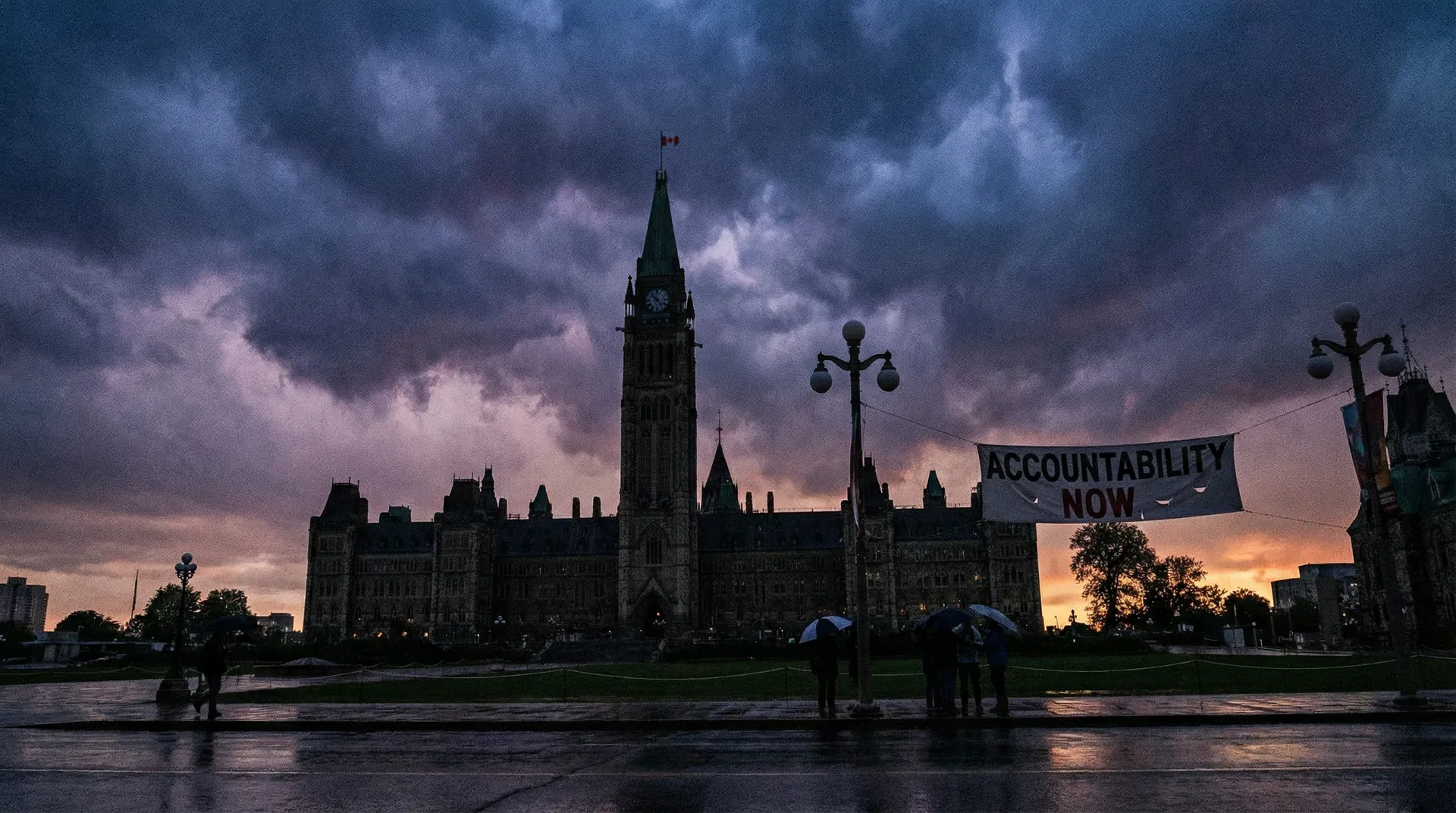
This case is not isolated. The Commission des droits de la personne et des droits de la jeunesse (CDPDJ) conducted a 2025 systemic inquiry into Nunavik that reveals chronic, systemic failures affecting Indigenous children across Quebec.
The inquiry documented under-resourced services, culturally inappropriate interventions, and direct harm to Indigenous children's health and development. These findings mirror exactly what Barran's family has experienced for over five years.
The violations documented break Article 23 of the United Nations Convention on the Rights of the Child (UNCRC), Quebec Charter article 39, and the spirit of reconciliation that Canada claims to uphold.
Multiple elected officials at municipal, provincial, and federal levels have been contacted repeatedly. The response has been silence — a pattern of ghosting that violates the Quebec Ethics Code and basic principles of democratic accountability.
IV. Rights & Legal Framework
Jordan's Principle
Federal policy ensuring First Nations children receive the services they need without delay due to jurisdictional disputes. In Barran's case, this principle was systematically ignored.
UNCRC Article 23
Recognizes the right of children with disabilities to enjoy a full and decent life, with special care and assistance. Barran, living with disability and Type 2 diabetes, was denied this right.
Quebec Charter Art. 39
Every child has a right to the protection, security, and attention that parents or persons acting in their stead can give. The DPJ's withdrawal violated this fundamental right.
TRC Calls to Action
The Truth and Reconciliation Commission issued 94 Calls to Action. This case demonstrates that many remain unimplemented, particularly those relating to child welfare and Indigenous family services.
Freedom of Expression
The Canadian Charter of Rights and Freedoms guarantees freedom of expression. This advocacy platform exercises that right to document systemic failures and demand accountability.
Stand With Barran
Your support — whether financial, through sharing, or simply bearing witness — makes a difference.